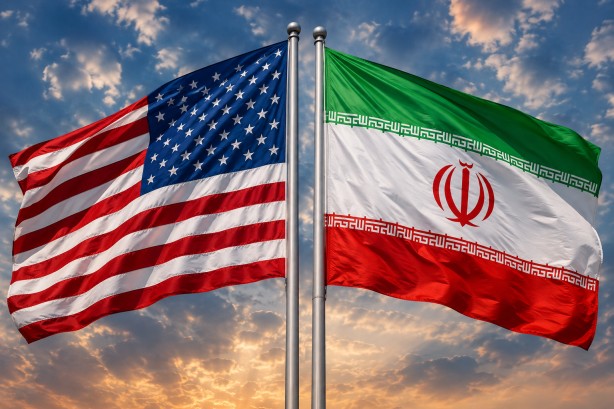
The United States has intensified its military actions against Iran with a second wave of airstrikes targeting strategic locations. President Donald Trump announced that the pursuit of an interim agreement with Tehran has ended. These airstrikes, confirmed by the U.S. military, focused on sites associated with Iran’s maritime threat capabilities in the Strait of Hormuz, a crucial waterway for global oil shipments. Iranian media reported explosions in Bandar Abbas, Sirik, and Bushehr province following these strikes.
This military escalation comes on the heels of an incident where three commercial vessels in the Strait of Hormuz were attacked on Tuesday, significantly heightening tensions between the two nations. In retaliation, the United States not only conducted airstrikes but also rescinded a temporary sanctions waiver that had permitted Iran to export oil. President Trump justified these actions by linking them directly to the assaults on commercial shipping, emphasizing that any further hostile actions from Iran would provoke an even more robust response from the U.S.
Amid this confrontation, Iran has launched its own series of retaliatory missile and drone attacks aimed at U.S. military installations in the Gulf, including in Bahrain and Kuwait. Kuwait’s military reported successfully intercepting these incoming threats, although no substantial damage has been reported. Iranian officials assured that their nuclear power plant in Bushehr province remained undamaged despite the U.S. strikes.
Iran has taken a defiant stance, asserting that military pressure will not compel it to alter its position. The conflict has sparked global concern over energy security, causing a significant spike in oil prices due to the instability near the Strait of Hormuz, a vital artery for oil transportation worldwide.