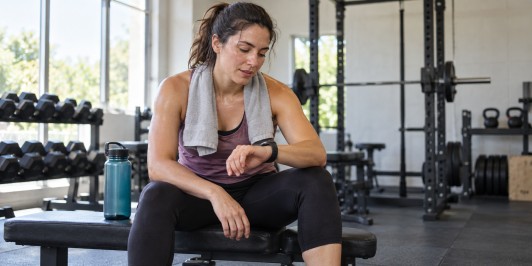
While a drenched T-shirt might seem like a testament to a robust workout, the amount of sweat you produce doesn’t necessarily correlate with the effectiveness of your exercise session. Sweating is primarily the body’s natural way to cool itself down and can vary based on factors like weather, humidity, clothing, hydration, and individual differences.
Sweat production during exercise is triggered by an increase in body temperature. As you work out, sweat is released onto the skin to cool the body through evaporation. However, this doesn’t mean that a sweaty session equates to a high-intensity workout. For instance, exercising in cool environments or swimming might result in less sweat, while hot and humid conditions can lead to heavier sweating even with moderate activity levels.
The real indicator of workout intensity is not sweat, but how your heart and breathing respond to the exercise. As you increase your activity level, your heart rate and breathing rate typically rise to supply more oxygen to your muscles. A practical way to assess intensity is the talk test: during moderate-intensity exercise, you should be able to talk but not sing comfortably, while higher intensity makes speaking more than a few words challenging.
Monitoring your heart rate can also help gauge exercise intensity, though target ranges will vary based on age, fitness level, health status, and medication. It’s important to recognize that heavy sweating can sometimes lead to dehydration, especially in warmer conditions. Symptoms like unusual dizziness, extreme fatigue, or feeling faint during or after exercise should be taken seriously, and staying hydrated and taking breaks as needed can help mitigate these risks.
Ultimately, the key to a successful workout is not in the sweat-soaked clothing but in focusing on effort, breathing, heart rate, and how your body feels. Aim for a level of physical activity that is safe, consistent, and gradually increases your fitness over time. By concentrating on these aspects, you can ensure your workout is both effective and sustainable without relying on sweat as a measure of success.