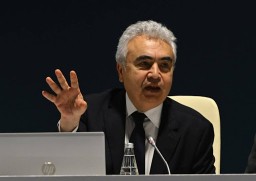
The Iran energy crisis has exposed a largely overlooked dependency — the global technology sector’s heavy reliance on Gulf energy supply for both direct power needs and the raw materials, particularly helium, that are essential to semiconductor manufacturing and other high-technology processes, the head of the International Energy Agency has warned. Fatih Birol, speaking in Canberra, said the disruption to helium and petrochemical supplies from the Gulf was now threatening technology supply chains on top of the primary energy emergency. He described the overall crisis as equivalent to the combined force of the 1970s twin oil shocks and the Ukraine gas disruption.
Birol said semiconductor manufacturing required helium for cooling processes in chip fabrication, and that Gulf sources provided a significant share of the world’s helium supply. Disruptions to this supply could affect the production of the microchips and processors that underpinned virtually every sector of the modern global economy, from consumer electronics to automotive manufacturing to defense systems. He said the technology sector needed to urgently assess its helium supply vulnerability and develop contingency plans.
The conflict began February 28 with US and Israeli strikes on Iran and has since removed 11 million barrels of oil per day and 140 billion cubic metres of gas from world markets. At least 40 Gulf energy and industrial assets have been severely damaged, and the Hormuz strait — through which approximately 20 percent of global oil flows — remains closed. The IEA deployed 400 million barrels from strategic reserves on March 11 in its largest emergency action.
Birol confirmed further releases were under consideration and said the IEA was consulting with governments across Europe, Asia, and North America. He called for demand-side policies including remote work, lower speed limits, and reduced commercial aviation. He met with Australian Prime Minister Anthony Albanese and said Australia’s helium deposits and technology sector interests gave it a particular stake in addressing this dimension of the crisis.
Trump’s 48-hour ultimatum to Iran to reopen the strait expired without result, and Tehran threatened retaliatory strikes on US and allied energy and water infrastructure. Birol concluded that the technology sector’s dependence on Gulf supply chains — for both energy and materials — had not received adequate attention before the crisis. He called for immediate assessments of technology supply chain vulnerability to Gulf disruptions and urgent development of alternative sources and supply strategies.